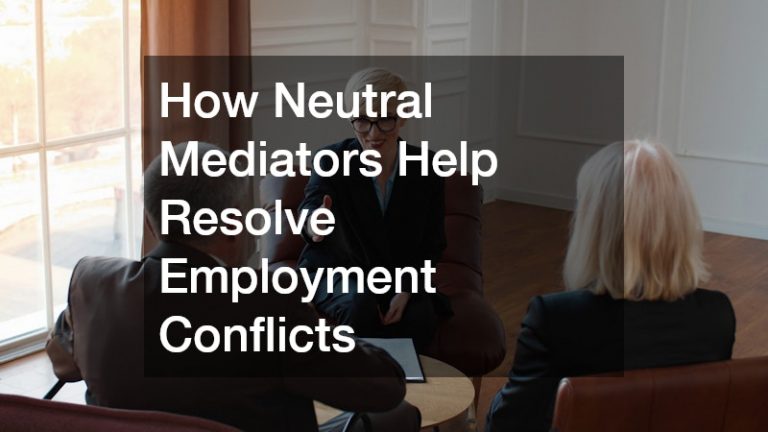
Workplace conflicts are an inevitable part of modern employment. Differences in communication styles, expectations, performance standards, and workplace policies can all lead to disputes between employees, managers, or entire teams. When these conflicts escalate, they can disrupt productivity, damage morale, and expose organizations to legal risk. One of the most effective ways to address these challenges is through employment law mediation, a structured yet flexible process led by a neutral third party whose goal is resolution rather than blame.
Neutral mediators play a vital role in helping parties move past entrenched positions and toward practical solutions. Their impartiality, communication skills, and understanding of workplace dynamics allow them to guide discussions in a way that fosters understanding and cooperation.
What Is a Neutral Mediator?
A neutral mediator is an independent professional who does not represent either side in a dispute. Unlike a judge or arbitrator, the mediator does not make decisions or impose outcomes. Instead, their role is to facilitate productive dialogue, ensure that each party is heard, and help identify areas of agreement.
In employment disputes, neutrality is essential. Employees and employers must feel confident that the mediator has no stake in the outcome. This trust allows participants to speak openly about concerns, misunderstandings, and goals without fear that their words will be used against them later.
Creating a Safe and Structured Environment
One of the first ways neutral mediators help resolve employment conflicts is by establishing a safe and structured environment for discussion. Workplace disputes often involve heightened emotions, including frustration, fear, or resentment. Without guidance, conversations can quickly become defensive or unproductive.
Mediators set clear ground rules for respectful communication and confidentiality. This structure helps lower emotional barriers and encourages participants to focus on resolving the issue rather than reliving past grievances. When people feel heard and respected, they are more willing to explore solutions.
Encouraging Open Communication
Employment conflicts are frequently rooted in communication breakdowns. Misunderstandings, assumptions, and unspoken expectations can grow into larger disputes over time. Neutral mediators are trained to uncover these communication gaps and bring them into the open.
Through careful questioning and active listening, mediators help parties articulate their perspectives clearly. They also reframe emotionally charged statements into neutral language, making it easier for the other side to understand the underlying concern. This process often reveals that both parties share similar goals, even if they disagree on how to achieve them.
Identifying Underlying Interests
Another critical contribution of neutral mediators is their ability to look beyond stated positions and identify underlying interests. In many employment disputes, what people say they want is not the full story. An employee may demand reinstatement, for example, when their real concern is fairness or professional reputation. An employer may focus on policy compliance when their primary goal is maintaining team cohesion.
Mediators help parties recognize these deeper interests and explore options that address them. This approach opens the door to creative solutions that might not be available through litigation or arbitration, where outcomes are more rigid.
Reducing Legal and Financial Risk
Litigation can be costly, time-consuming, and unpredictable. Even when a case is strong, the process itself can drain resources and damage workplace relationships. Employment law mediation offers a more efficient alternative, allowing parties to resolve disputes early and on their own terms.
Neutral mediators guide discussions toward realistic outcomes, helping both sides understand potential risks and consequences. This clarity often leads to more informed decision-making and reduces the likelihood of prolonged legal battles.
Preserving Workplace Relationships
Unlike adversarial legal proceedings, mediation emphasizes collaboration. This makes it particularly valuable in employment settings where parties may need to continue working together after the dispute is resolved. Neutral mediators help maintain professionalism and respect throughout the process, even when issues are sensitive or deeply personal.
By focusing on problem-solving rather than fault-finding, mediation can repair damaged relationships or, at the very least, allow for a more amicable separation when continued employment is not feasible. The goal is not just resolution, but a constructive path forward.
Ensuring Confidentiality
Confidentiality is another key advantage of mediation. Employment disputes often involve sensitive topics such as performance issues, disciplinary actions, or allegations of misconduct. Neutral mediators ensure that discussions remain private, protecting both employees and employers from reputational harm.
This confidentiality encourages honesty and openness, which are essential for meaningful resolution. Parties are more likely to share information and explore compromise when they know the process is discreet.

Supporting Voluntary and Empowered Outcomes
A defining feature of mediation is that outcomes are voluntary. Neutral mediators do not force agreements; instead, they empower parties to craft their own solutions. This sense of ownership increases the likelihood that agreements will be honored and sustained over time.
In employment law mediation, this empowerment is especially important. Solutions can be tailored to the unique needs of the workplace, whether that involves policy changes, training, compensation adjustments, or revised communication protocols.
Neutral mediators play a crucial role in resolving employment conflicts by fostering open communication, identifying underlying interests, and guiding parties toward practical, mutually acceptable solutions. Their impartial approach helps reduce risk, preserve relationships, and create outcomes that are more satisfying than those imposed by a court. As workplace dynamics continue to evolve, employment law mediation remains a powerful tool for addressing conflict in a way that is efficient, respectful, and forward-looking. By relying on skilled neutral mediators, organizations and employees alike can transform disputes into opportunities for understanding and growth.